
Ceramic Table Accessories That Can Give Your Dining Setup a Fresh Look
Refresh your dining table with ceramic table accessories from Shokki Decor. Explore thoughtful accents for everyday meals and gatherings.
By shokkidecor7 min read

You’ve probably had this moment: guests are due in an hour, the food is sorted, and the table still feels flat. A stack of plates, a steel bowl, a jug that matches nothing. Nothing is wrong, exactly—it just looks like nobody thought about it.
That gap can often be closed with a handful of ceramic table accessories, rather than a whole new dinner set. A butter dish, a pickle bowl, a salt-and-pepper pair, or one good platter can add personality for less than replacing everything you own. At Shokki Decor, you can explore pieces that complement your existing tableware. Shokki Decor can help you find practical accents for your table.
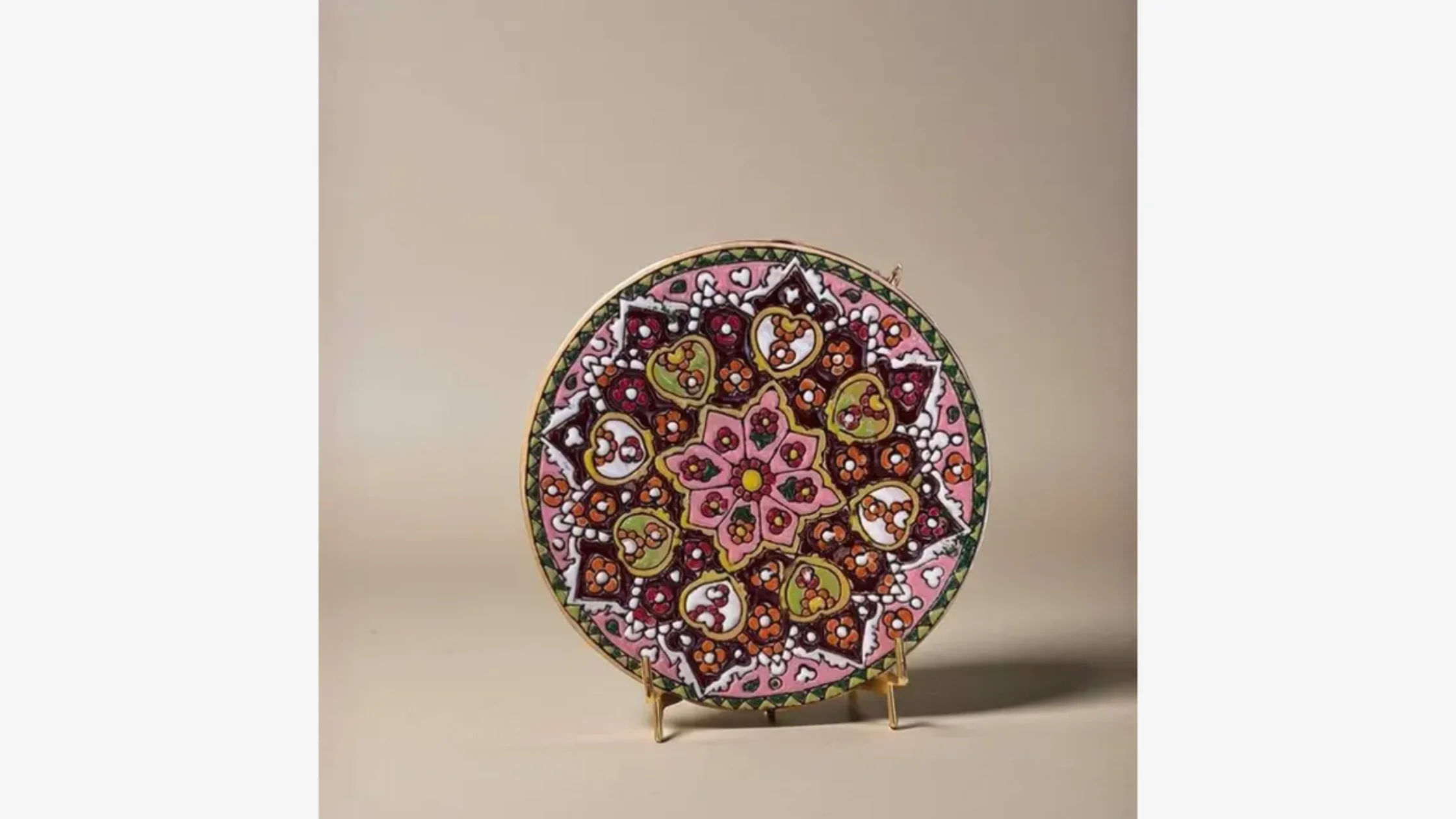
Why Ceramic Table Accessories Suit Indian Dining
Ceramic sits comfortably between everyday and special. Stoneware and porcelain hold heat longer than steel, which matters when you’re serving dal that needs to stay warm through a long, chatty dinner. Neither reacts with tamarind, lemon or tomato-heavy gravies, so flavours stay clean.
There’s a visual argument too. A matte stoneware glaze absorbs light and makes food look richer. A glossy porcelain finish bounces light and reads more formal. Most homes want both eventually: matte for the weekday table, gloss for festival lunches. Ceramic table accessories give you that range without forcing one style across the house.
The trade-off is weight and fragility. A stoneware platter will chip if it meets a granite edge at speed, so buy ceramic table accessories you can replace individually rather than a sealed set where one loss ruins the group.
Start With the Pieces You Reach for Daily
The instinct is to buy the showpiece first. Resist that: the pieces you touch daily are what change how a table feels.
• A mid-size serving bowl (roughly 700 to 900 ml). The workhorse for a vegetable dish or curd. Two cover most weeknights.
• A small platter, 25 to 30 cm. Rotis, cut fruit, snacks with chai. It earns its place.
• A pair of condiment bowls. Pickle, chutney, salt. The smallest ceramic decor pieces you’ll own and easily the most used.
• One jug. Water on the table instead of a plastic bottle changes the picture immediately.
• A lidded butter or ghee dish. Keeps things covered in warm weather and looks intentional.
Buy those five and the table already reads as considered. Everything after is refinement.
How Many Pieces Do You Actually Need?
Count the people you host most often, not the biggest party you’ve ever thrown. If Sunday lunch is usually six, build around six. A service sized for twelve sits in a cupboard eleven months a year and makes storage harder. You can add a platter later; un-buying a set for twelve is harder.
Tabletop Styling: Building a Palette That Doesn’t Fight Itself
The fastest way to make dining table accessories look cohesive is to limit colour and vary texture instead. Pick one neutral base, whether that’s off-white, sand or warm grey, and let it carry most of your pieces. Then add a single accent across two or three smaller items. Indigo, terracotta, deep green and mustard all sit well against Indian food.
What fails is buying one attractive thing at a time in whatever colour caught your eye. Six years of that and the cupboard is full of orphans.
Texture Beats Extra Colour
Texture is where you get interest without clutter. A reactive glaze that pools darker at the rim, a ribbed exterior, an unglazed foot ring showing raw clay: these read as craft up close and stay quiet from across the room.
Mixing Ceramic With Brass, Wood and Glass
You don’t need to retire your brass. Some of the best tabletop styling in Indian homes is deliberately mixed: a brass urli in the centre, ceramic serving pieces around it, a cotton runner underneath. The rule is proportion. Let one material dominate and use the rest as punctuation.
Wood is the easiest partner. A mango wood board under a bowl adds warmth and protects the table from heat. Glass works too, since it visually disappears and lets the ceramic hold attention.
Where Mixing Goes Wrong
Trouble starts when two materials compete at the same scale. Two large brass items and two large platters on one table will look unresolved no matter how good each piece is alone. Good tabletop styling relies on one clear focal point.
Ceramic Table Accessories for Everyday and Festival Tables
Situation
What to put out
Why it works
Weekday dinner, 3 to 4 people
Two serving bowls, one small platter, condiment pair
Fast to lay, fast to clear
Sunday lunch with family
Add a large platter, jug, butter dish
Fills a longer table without looking staged
Festival or puja lunch
Full spread plus dessert bowls and a centrepiece
The occasion earns extra layers
Chai with friends
Cups, saucers, snack platter, small tray
Low effort, high warmth
The same dozen ceramic table accessories rearrange into completely different moods depending on the day. That’s the argument for versatile shapes over novelty ones.
Care, Washing and What Actually Breaks Pieces
Most damage happens in the sink and the cupboard, not at the table.
1. Let hot pieces cool before washing. Thermal shock cracks glaze, and oven to cold water is the classic mistake.
2. Stack with something between. Felt pads or kitchen paper stop the ring-shaped scuffs that build up over years.
3. Skip steel wool. Cutlery marks lift with a paste of baking soda and water.
4. Check microwave and dishwasher labels per piece. Hand-painted rims and metallic detailing usually rule out the microwave entirely.
5. Store heavy items low. Reaching a two-kilo platter down from a high shelf is how it ends up on the floor.
Through a long Bangalore monsoon, cupboards hold moisture. Air your ceramic table accessories occasionally and don’t seal them in plastic for months, because unglazed foot rings pick up a musty smell.
Where People Overspend and Where They Underspend
People overspend on large decorative bowls used twice a year, then underspend on the small things used daily. A well-made condiment bowl at a modest price outperforms an expensive centrepiece in sheer usefulness.
Pricing for ceramic table accessories varies widely with clay body, glaze and hand-finishing, so treat any figure as indicative. Small ceramic decor pieces sit at the affordable end, large hand-glazed platters at the top.
For home table decor that genuinely gets used, buy in small batches. Live with four new pieces for a month, notice what you actually reach for, then buy the next four. Your habits tell you more than any styling guide can.
Frequently Asked Questions
Are ceramic table accessories safe for daily use with Indian food?
Yes, for the most part. Food-safe glazed stoneware and porcelain don’t react with acidic gravies, pickles or citrus, and they handle everyday serving temperatures well. Check that pieces are labelled food safe, avoid serving in chipped items, and confirm microwave suitability individually, since hand-painted or metallic-trimmed pieces often aren’t microwave friendly.
How do I stop my ceramic bowls from chipping so easily?
Chips almost always come from contact with hard surfaces. Wash over a soft mat, don’t stack heavy pieces inside lighter ones, and keep ceramic away from steel utensils in the drying rack. A soft separator between stored plates prevents the slow rim damage most people never notice until it’s bad.
Can I mix different ceramic brands and finishes on one table?
You can, and mixed ceramic table accessories often look better than a matched set. Keep a shared colour base and let finish vary, since matte alongside gloss reads intentional. Trouble starts when undertones clash, like a cool grey-white beside a warm cream-white. Compare pieces in daylight before buying.
What’s a good starter set of dining table accessories for a small family?
Two mid-size serving bowls, a 25 to 30 cm platter, a pair of condiment bowls, a water jug and a lidded butter dish cover almost every weekday meal. Add a large platter and dessert bowls once you host more often. That order keeps storage manageable and spending sensible.
Conclusion
Shopping for tabletop accessories online works best when you choose pieces that solve real needs. Measure your table, consider the space available, and look for useful additions such as trivets, coasters, serving pieces, or spoon rests. Keep colours coordinated, choose a low profile, and add one accent at a time. The result can feel polished while staying practical once the food arrives.
Unsure what will suit your table? Get in touch with Shokki Decor to discuss sizes and options. Follow Shokki Decor on Instagram for more collections, price details, and ideas for your table.
Keep reading
Related stories

8 min read
How to Select the Perfect Dinnerware Sets for Your Home
Creating a beautiful dining space starts with choosing tableware that complements your home's style and everyday needs.

6 min read
Tabletop Accessories Online Bangalore: Small Details That Can Transform Your Table
Want to refresh your dining table? Discover tabletop accessories online in Bangalore at Shokki Decor.

7 min read
Serving Trays Online Bangalore: Easy Tips for Finding the Right One for Your Home
Find serving trays online in Bangalore at Shokki Decor, with styles for breakfast, tea time, and special gatherings.