
Ceramic Tableware in Bangalore: Why It’s a Popular Choice for Modern Homes
Ceramic tableware in Bangalore suits Indian meals, hard water and daily use. Compare glazes, prices, care tips and materials before you buy your next set.
By Ravi Maddur6 min read

Walk into almost any recently furnished flat in Indiranagar or HSR and you’ll spot the same details on the dining table: a speckled matte bowl, a plate with a slightly uneven rim, glazes in muted greys and blues. Ten years ago, that table might have had a glossy white bone china set kept strictly for guests.
The shift is about more than looks. Ceramic tableware in Bangalore suits how many people live today: with smaller kitchens, informal hosting, and a preference for pieces that look good for guests but work on an ordinary Tuesday. At Shokki Decor, you can explore ceramic pieces for both everyday meals and special occasions. Shokki Decor can also help you compare finishes and care needs so you can choose tableware that fits your home.
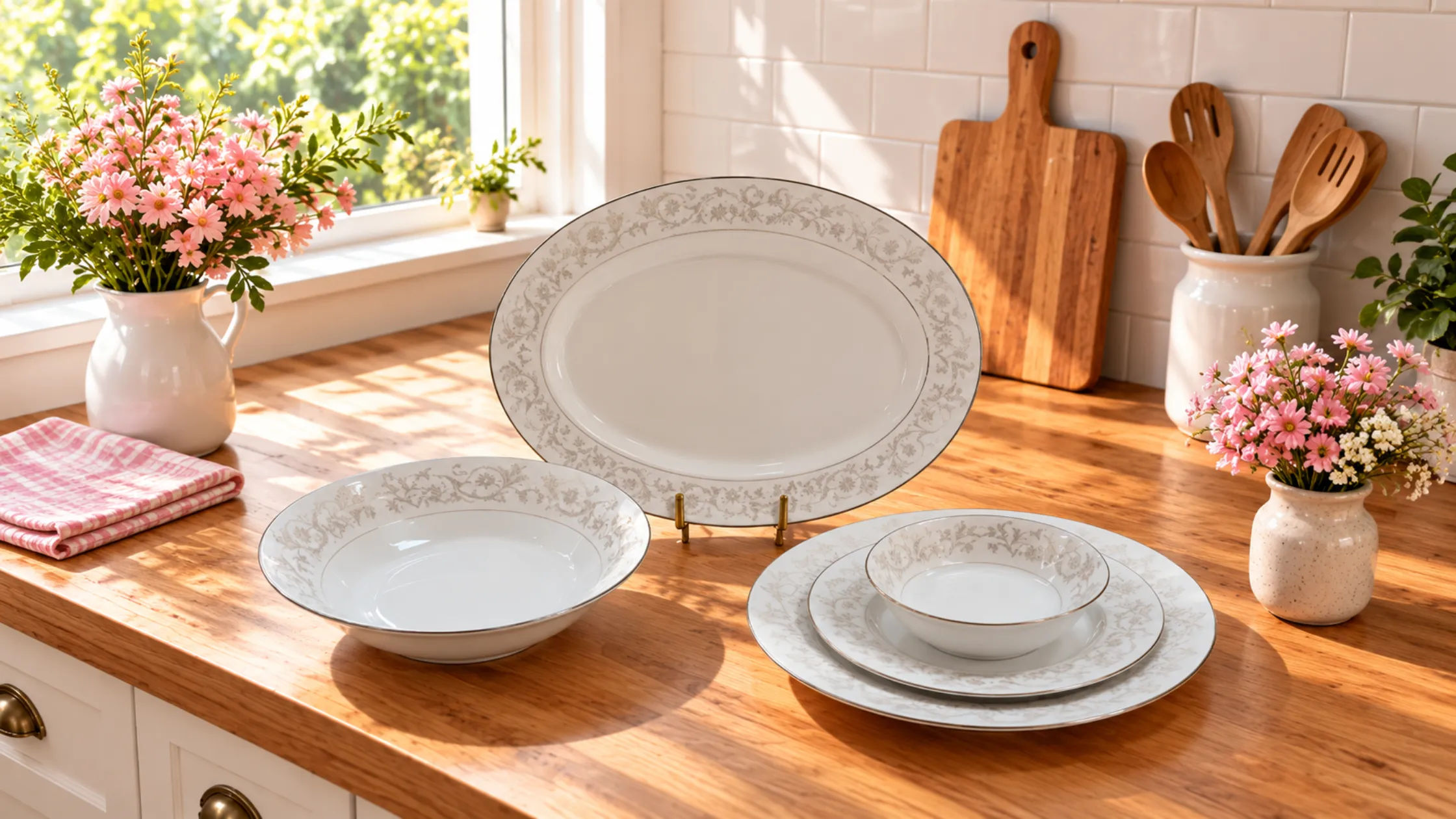
What “Ceramic” Actually Covers
The word is broader than most shoppers assume. Technically, porcelain and bone china are ceramics too. In everyday shop language, though, ceramic tableware in Bangalore stores means stoneware or earthenware: clay bodies fired at high temperature and finished with a glaze.
Stoneware: The Ceramic Dining Ware Standard
Fired hot enough to become dense and water-resistant. This is the workhorse. It chips less than earthenware, holds heat well, and takes reactive glazes beautifully. Most of the ceramic dining ware sold in Indian stores today is stoneware, whether or not the label says so.
Earthenware
Fired at lower temperatures, so it stays slightly porous and depends entirely on its glaze for water resistance. It’s cheaper and often more colourful. It also chips more easily and can craze into fine surface cracks after a few years of hot food and cold washing.
Why Ceramic Tableware in Bangalore Suits the Way We Eat
Indian meals put specific demands on a plate. Sambar, rasam and gravies need depth and a rim that stops spillage. Food is served hot and often sits out through a slow meal. Turmeric stains anything porous. Ceramic answers most of that.
The thicker walls retain heat, so rice and dal stay warm without a reheat. A properly vitrified glaze doesn’t absorb oil or colour, so a plate that’s held sambar for an hour washes clean. And the weight, which some people complain about, actually helps: a heavy bowl doesn’t slide when you’re serving with one hand.
There’s a local angle too. Borewell water in many parts of the city is hard, and glossy surfaces show mineral spotting quickly. Matte and semi-matte ceramic glazes disguise this far better, which is one quiet reason ceramic crockery Bangalore households buy tends to look presentable longer than shiny alternatives.
Glazes and Finishes: The Practical Trade-Offs
The glaze decides how a piece ages, more than the clay underneath does. It’s also the main thing separating two pieces of ceramic tableware in Bangalore that look identical on a shelf.
• Glossy glaze: easiest to clean, brightest colour, shows water spots and cutlery marks most.
• Matte glaze: hides marks and fingerprints, feels warm to the touch, needs gentler washing since abrasives dull it permanently.
• Reactive glaze: each piece differs slightly, which is the appeal. Expect variation between plates in the same set.
• Unglazed foot or base: normal and fine, but it can scratch a wooden table and hold moisture if stored damp.
If you’re choosing ceramic plates Bangalore families will use every single day, semi-matte is the sensible middle. It survives real washing-up and doesn’t broadcast every water mark.
What to Check Before Buying Ceramic Tableware in Bangalore
Five minutes of inspection saves years of regret. Whether you’re in a store or unboxing a delivery, run through this.
1. Turn the piece over. The unglazed ring should feel smooth, not sandy.
2. Tap it gently. A clear ring suggests a well-fired, crack-free body. A dull thud can mean a hairline fracture.
3. Stack two pieces. They should sit flat, without rocking.
4. Check the rim under light for pinholes, bubbles or a wavy edge.
5. Ask about open stock. A good ceramic tableware shop will sell single replacements, not just boxed sets.
Also ask directly whether the glaze is lead-free and food-safe. This matters most on brightly coloured or hand-painted pieces, and any reputable ceramic tableware shop will answer without hesitating.
Ceramic Crockery Bangalore Prices and What Drives Them
Prices depend on material, finish, whether the piece is machine-made or hand-thrown, and where it was produced. Treat these as indicative ranges rather than fixed quotes.
Piece
Indicative range
Notes
Dinner plate (26-28 cm)
Rs. 450 – 1,400
Hand-thrown costs more
Serving bowl (medium)
Rs. 600 – 1,800
Depth matters for gravies
24-piece dinner set
Rs. 4,000 – 15,000
Machine-made, uniform
Large platter
Rs. 1,200 – 4,000
Festival and buffet use
Hand-thrown pieces cost two to three times their machine-made equivalents, and the variation between them is a feature, not a defect. If you want twelve identical plates, buy machine-made. If you want a table with character, accept that no two bowls will match exactly.
Building a Set That Actually Works
Don’t buy everything at once. Start with the pieces you’ll touch daily and expand from there.
A four-person household does well with eight ceramic plates Bangalore stores sell as full dinner plates, eight quarter plates, and eight bowls. Add two or three ceramic bowls Bangalore kitchens use for curd, pickle and chutney, plus one large platter. That’s enough for a normal week and for a dinner with two extra guests.
Mixing is fine, and often better than a matched box. Keep the plates in one neutral tone and let the ceramic bowls Bangalore markets sell in reactive glazes provide the colour. This also means a breakage never ruins the scheme, because nothing was perfectly matched to begin with.
Making It Last
Ceramic tableware in Bangalore homes is durable but not indestructible, and almost all damage traces to two causes: thermal shock and stacking pressure.
Don’t take a plate from the fridge into a hot oven. Let it sit out for ten minutes. Don’t stack more than six or seven plates high, and slide a paper napkin between them if the glaze is matte. Skip steel scrubbers entirely. For turmeric marks that survive normal washing, a baking soda paste and a soft cloth clears them without dulling the surface.
Dishwashers are usually fine for stoneware, though a lower-temperature cycle is kinder to hand-painted decoration. If a piece has metallic detailing, keep it out of the microwave whatever the packaging claims.
Frequently Asked Questions
Is ceramic tableware in Bangalore microwave and dishwasher safe?
Most stoneware is, but check each range rather than assuming. Hand-painted decoration and metallic rims are the common exceptions, and metallic trim should never go in a microwave. Lower-temperature dishwasher cycles extend the life of any decorated surface, whatever the box claims about durability.
Does ceramic chip more easily than porcelain?
Ceramic stoneware is thicker and tougher against knocks, but its chips are more visible because the clay body underneath is a different colour. Porcelain is thinner and chips less obviously since the body is white throughout. Both survive normal household use if you avoid stacking them wet.
How do I remove turmeric stains from ceramic plates?
Make a paste of baking soda and water, rub gently with a soft cloth, and rinse. For older marks, leave the paste on for fifteen minutes first. Avoid bleach on coloured glazes and never use steel wool, which scratches the surface and makes future staining worse.
Is ceramic worth it compared to melamine?
For daily dining, yes. Ceramic doesn’t scratch the way melamine does, doesn’t retain odours, and stays safe with genuinely hot food. Melamine is lighter and unbreakable, which makes it useful for children and outdoor meals, but it looks tired within a year or two of regular use.
Conclusion
The popularity of ceramic tableware is no passing trend. It suits how many Bangalore households cook, serve, and wash up: hot, wet food, hard water, limited cupboard space, and relaxed hosting. Where possible, choose stoneware over earthenware, consider semi-matte glazes for everyday plates, check whether replacement pieces are available, and follow the care instructions. With thoughtful choices, ceramic tableware in Bangalore can stay in regular use for years.
Not sure which glaze or set size suits your household? Get in touch with Shokki Decor for help choosing. Follow Shokki Decor on Instagram for more collections, price details, and ideas to help you learn more.
Keep reading
Related stories

8 min read
How to Select the Perfect Dinnerware Sets for Your Home
Creating a beautiful dining space starts with choosing tableware that complements your home's style and everyday needs.

7 min read
Tea Accessories Shop Bangalore: Build a Tea Setup You’ll Actually Enjoy Using
Looking for a tea accessories shop in Bangalore? Explore teapots, trays, and serving pieces at Shokki Decor.

6 min read
Tabletop Accessories Online Bangalore: Small Details That Can Transform Your Table
Want to refresh your dining table? Discover tabletop accessories online in Bangalore at Shokki Decor.