
Decorative Serving Tray Ideas That Can Make Your Dining Setup Look Instantly Better
Refresh your table with a decorative serving tray from Shokki Decor. Discover ideas for serving, styling, and entertaining.
By shokkidecor6 min read

Look at your dining table right now. There’s probably a water bottle, a set of keys, someone’s charger, and a bowl of fruit that has migrated to a corner. None of it is untidy exactly; it just feels scattered.
A decorative serving tray can bring those everyday items together and leave more of the table clear. At Shokki Decor, you can explore trays that add a useful finishing touch to your dining setup. Shokki Decor can help you find a style that complements your home.
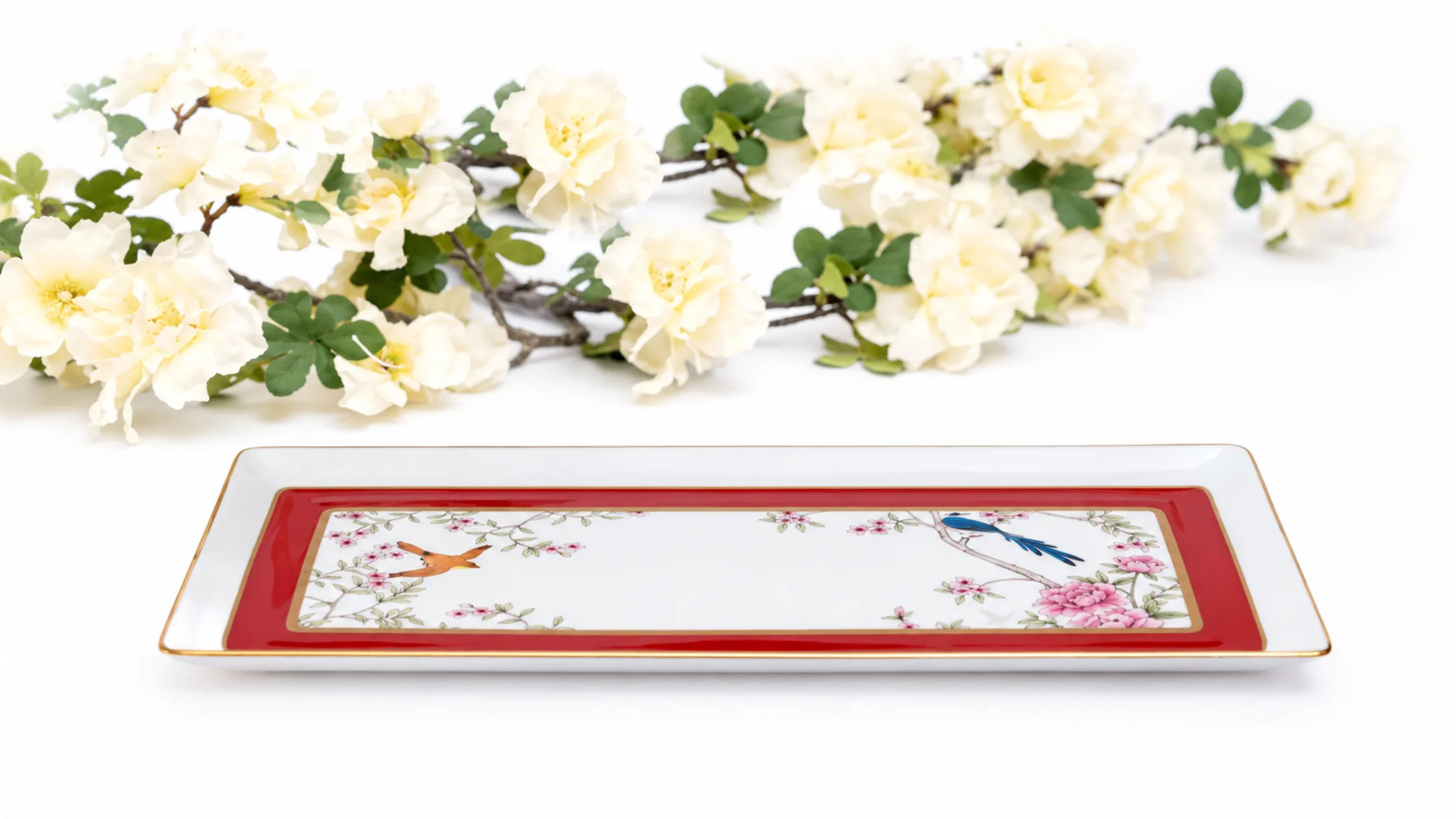
What Makes a Decorative Serving Tray Different From a Plain One
A plain tray carries things. A decorative serving tray is designed to be seen when it’s empty, which changes what matters. The rim gets more attention, the finish is chosen for how it catches light, and the proportions run a little more generous.
That doesn’t mean it can’t work hard. The best decorative trays for home use will carry chai for six, then go back to the console with a candle and a stack of books on it. Buying one that only performs when empty wastes shelf space.
Judge the piece on three things: how it looks bare, how it looks loaded, and whether you’d put a hot cup on it. Fail the third test and it’s an ornament, not a tray.
Materials and Finishes, and How They Behave
Material
The look
Real-world trade-off
Glazed ceramic
Clean, calm, modern
Heavy; chips at the corners
Mango or acacia wood
Warm, grainy, forgiving
Needs oiling; can’t be soaked
Brass or antique metal
Traditional, festive, reflective
Tarnishes; needs periodic polishing
Cane and rattan
Light, textural, summery
Crumbs lodge in the weave
Marble or stone
Quietly expensive
Very heavy; stains from lemon
Ceramic deserves attention for Indian homes. It takes a hot cup without a coaster, wipes clean after a turmeric spill, and doesn’t hold odours. A glazed ceramic decorative serving tray also sits comfortably alongside brass, which matters during festival months when the brass comes out and everything works around it.
Where a Decorative Serving Tray Actually Goes
Most people put it on the dining table and stop there. It’s more useful than that.
On the Dining Table
Centre it if the table is round, offset it if the table is long. A decorative serving tray in the middle of a six-seater becomes a permanent anchor: salt, pepper, a small jug, one candle. Everything else clears away after meals, and the table never looks bare or cluttered.
On a Console, Coffee Table or Sideboard
This is where decorative trays for home use earn their keep. On a console near the door, a tray corrals keys and sunglasses. On a coffee table, it holds coasters, a small plant and a book. The tray’s edge is doing the work, giving those unrelated objects a reason to sit together.
In the Kitchen or on a Bar Shelf
Oils, a pepper grinder and a salt pot on a tray lift off in one motion when you wipe the counter. That’s why a decorative serving tray tends to migrate around a house rather than staying put.
Dining Table Styling Rules That Stop a Tray Looking Cluttered
Good dining table styling is mostly restraint. Three rules cover almost every situation.
• Odd numbers. Three objects on a tray look composed. Four look like storage. If you must use four, group two of them tightly so they read as one.
• Vary the height. One tall item, one medium, one low. All-same-height arrangements look like a shop display.
• Repeat one material. If the tray is wood, echo it with a wooden coaster or a cane basket nearby. Full contrast on everything makes the arrangement feel random.
The other habit worth adopting is leaving space. A decorative serving tray that’s ninety percent full stops being decorative and starts being a shelf. Aim for two-thirds coverage and let the surface show.
Layering for Texture
A folded linen napkin, a woven mat or a scrap of block-printed cotton under the objects adds a second texture and hides the scratches that build up over a couple of years. It’s a small trick, and it makes ordinary objects look considered.
Serving Tray Designs Worth Considering
Shape and detail change the personality of a piece more than colour does.
1. Cut-out handles. Clean outline, minimal footprint, best for smaller trays and modern rooms.
2. Raised or looped handles. Easier to carry loaded, more traditional in feel, adds width.
3. Fluted or ribbed rims. Catches light beautifully and hides minor wear.
4. Deep-sided rectangular. Most practical for carrying, and forgiving of a wobbling cup.
5. Low round with a wide lip. Decorative first, functional second. Good for a console.
Among ceramic serving tray designs, matte glazes in sand, ivory and charcoal are the most versatile because they don’t fight with either patterned crockery or a brass centrepiece. Glossy and hand-painted pieces have more personality but need a plainer table around them.
Matching Trays to Indian Hosting Occasions
For a puja or festival lunch, a brass or richly glazed decorative serving tray sits naturally with diyas, marigold and sweets. Keep the arrangement low so it doesn’t block the view across the table.
At a casual chai gathering, a mid-size wooden or ceramic tray with cups, a bowl of namkeen and a sugar pot is enough. Nobody wants to negotiate around a centrepiece while reaching for a biscuit.
For a dinner party, use two trays rather than one big arrangement: one for drinks, one holding table decor accessories like salt, pepper and a candle. Splitting the function keeps the table workable while people eat.
A well-made tray also makes a rare housewarming gift people genuinely keep, since it doesn’t need to match anything they already own.
Care, Longevity and What to Check Before Buying
Turn any decorative serving tray over before you buy it. Felt pads or a recessed base stop it scratching a polished table. Check the base is flat, because a warp makes every cup rock. Press the handles for flex.
• Wipe spills quickly; turmeric and filter coffee stain wood and stone fastest.
• Never soak wood or cane, and oil wood every couple of months.
• Air cane and wood through the monsoon rather than sealing them away.
• Check dishwasher and microwave suitability per piece, not per brand.
• Store flat, never under heavy pans.
Pricing varies with material, size and hand-finishing, so treat any figure as indicative. Simple wood and steel sit at the affordable end, glazed ceramic in the middle, hand-painted and stone pieces higher.
Frequently Asked Questions
What size decorative serving tray works best on a dining table?
For a six-seater, something around 40 to 45 cm long keeps a clear border on all sides. On a round four-seater, a 30 to 35 cm round tray suits the shape better. Measure first and leave a hand’s width of empty surface around it so the placement reads as deliberate.
Can I use a decorative serving tray for actually serving food?
Yes, if it’s glazed, sealed or food-safe metal. Glazed ceramic and finished wood both handle cups, plates and covered dishes without trouble. Avoid serving directly onto untreated wood, unsealed stone or anything with flaking paint, and always check heat tolerance before putting a hot dish straight down.
How many stylish serving trays does one home really need?
Two stylish serving trays cover most households comfortably: one mid-size piece for the dining table and everyday carrying, one smaller decorative tray for a console or coffee table. A third only makes sense if you host often and want a dedicated drinks tray that never leaves the sideboard.
What should sit on a tray when it isn’t being used?
Keep it simple: one candle or small plant, a coaster stack, and one low object like a bowl or a small vase. Three items in varied heights on a folded cloth looks intentional. Resist filling it, because empty surface is what makes the arrangement read as styled rather than stored.
Conclusion
A decorative serving tray can define space on a crowded table, group everyday items, and move easily between rooms. Choose one that looks good both empty and in use, keep the arrangement simple, and protect the finish according to its care instructions. A well-chosen tray can remain a useful part of your home for years.
Comparing materials or sizes? Connect with Shokki Decor for help finding a tray that suits your home and routine. Follow Shokki Decor on Instagram for more collections, price details, and ideas to learn more.
Keep reading
Related stories

8 min read
How to Select the Perfect Dinnerware Sets for Your Home
Creating a beautiful dining space starts with choosing tableware that complements your home's style and everyday needs.

7 min read
Ceramic Table Accessories That Can Give Your Dining Setup a Fresh Look
Refresh your dining table with ceramic table accessories from Shokki Decor. Explore thoughtful accents for everyday meals and gatherings.

6 min read
Tabletop Accessories Online Bangalore: Small Details That Can Transform Your Table
Want to refresh your dining table? Discover tabletop accessories online in Bangalore at Shokki Decor.