
Serving Tray for Breakfast: Easy Ways to Make Your Morning Table Look Better
Looking for a serving tray for breakfast? Explore stylish, practical options at Shokki Decor to make your morning table feel special.
By Ravi Maddur7 min read

Most mornings go the same way. You carry the toast in one hand, the chai in the other, come back for the eggs, then realise you forgot the sugar. Three trips before anyone has sat down. It’s not a crisis, but it can make the start of the day feel a little rushed.
A serving tray for breakfast can make mornings easier: carry several items in one trip and bring a more put-together look to the table. At Shokki Decor, you can explore trays for everyday use. Shokki Decor can help you find a style and size that suit your morning routine.
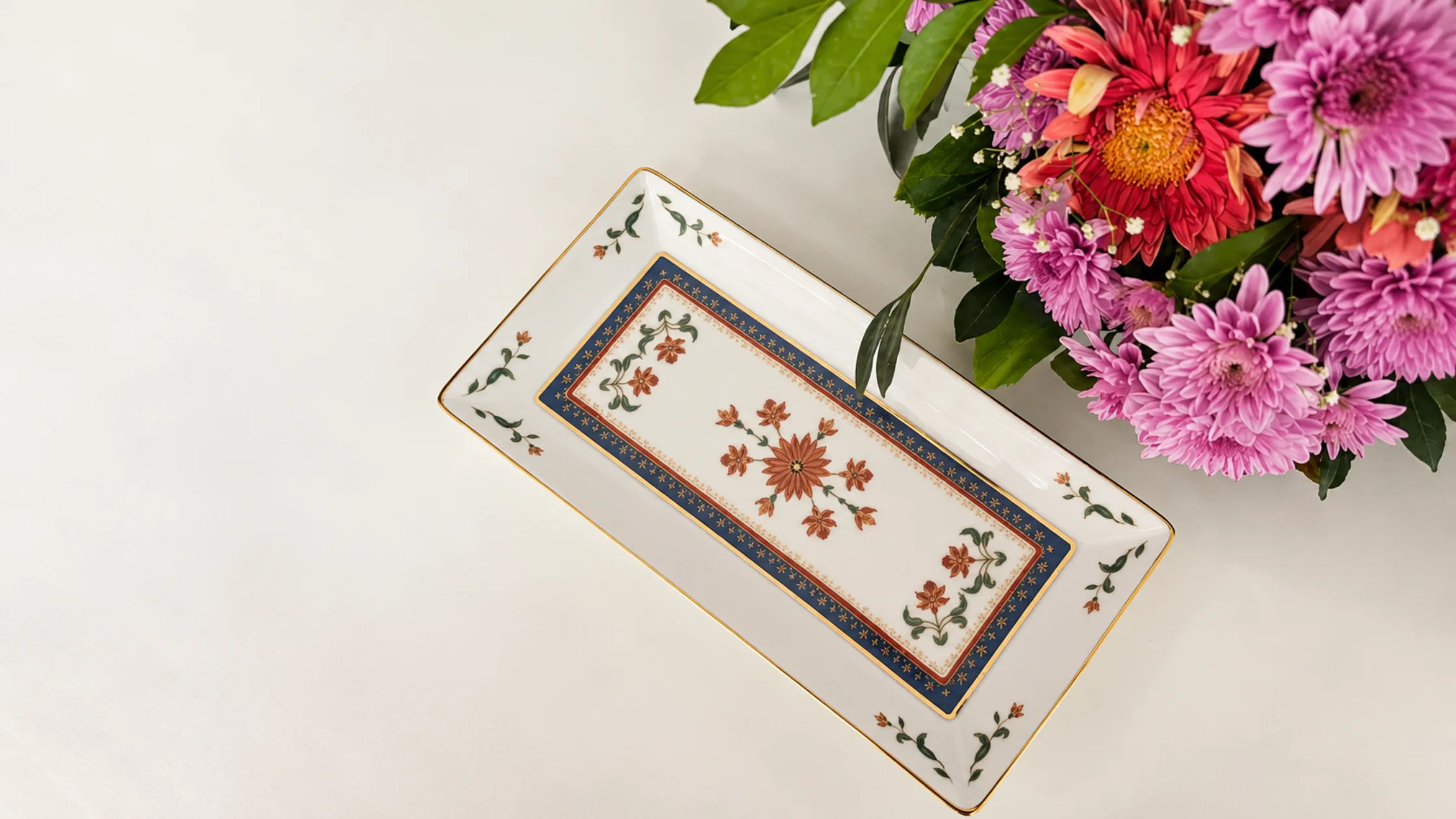
Why a Serving Tray for Breakfast Earns Its Place
A tray does something a table can’t: it creates a defined edge. Everything inside the border reads as one composition, even when the cups don’t match the plates. That’s why a hotel breakfast looks put together even with plain pieces.
There’s a practical side too. Trays keep condensation rings off wooden tables, catch the dribble of milk, and turn clearing up into a single motion. In a small Bangalore flat where the dining table becomes a work desk by nine, lifting breakfast away in one go genuinely matters.
The last benefit is quieter. Putting food on a serving tray for breakfast slows you down slightly. You arrange instead of dump, and the meal feels less rushed.
Getting the Size and Shape Right
This is where people go wrong. They buy a beautiful serving tray for breakfast that turns out too big for the table or too small for two.
Round or Rectangular?
Rectangular trays suit rectangular tables and carry more per square inch, which makes them the better default for family mornings. Round ones look softer and work well on side tables and in bed, but they waste corner space. If you’re buying a single tray, rectangular is usually more useful.
How Big Is Too Big?
For one person, around 30 by 20 cm is plenty. For two, look at roughly 40 by 28 cm. Above 45 cm you need both hands and a clear run to the table, and a loaded ceramic tray gets heavy fast. Measure your table first, and leave a hand’s width of clear surface around it.
Handles matter more than people expect. Cut-out handles keep the outline clean but need a firm grip. Raised handles are kinder on the wrists and add width, so check that against your storage shelf.
Materials, and What Each Is Like to Live With
Material
Best for
Watch out for
Ceramic
Looks, heat resistance, easy wiping
Weight; chips on hard edges
Mango or acacia wood
Warmth, light weight, daily use
Don’t soak it; oil occasionally
Cane or rattan
Airy mornings, breakfast in bed
Crumbs in the weave; not for wet items
Stainless steel
Durability, no fuss
Fingerprints and water spots
Marble or stone
A quiet, luxurious look
Heavy; stains from lemon and coffee
Ceramic sits in a sweet spot for most homes. It wipes clean in one pass, doesn’t hold the smell of fried onions the way untreated wood can, and takes hot cups without a mat. The trade-off is weight, and a knocked corner chips. With a stone counter, be deliberate about where you set a ceramic breakfast serving tray down.
Serving Tray Ideas for Different Kinds of Mornings
You don’t need five trays. You need one good one and a few serving tray ideas to rotate through.
• The weekday solo. Cup, small plate, folded napkin. Three objects, and it reads intentional rather than sparse.
• Chai and biscuits for guests. Two cups and saucers, a bowl of namkeen, a sugar pot. Line the cups on one axis, leave the centre open.
• The Sunday spread. Use the tray as a station for butter, jam, honey and salt while the main dishes go on the table.
• Breakfast in bed. A light tray with raised edges, plus a folded tea towel under the plate to stop sliding.
• The carry tray. Keep one plain tray purely for ferrying dishes back, so the good one avoids the wear.
Layering is what makes stylish serving trays look styled rather than loaded. A linen napkin or small runner under the crockery adds texture and hides scratches. One low element, like a short glass with a single flower, gives height without blocking anyone’s view.
Building a Breakfast Table Setup Around the Tray
Once the tray is sorted, the rest of the table should stay quiet. Two or three breakfast table accessories are enough: a milk jug, a lidded pot for sugar or jaggery, maybe a butter dish. Keep your breakfast table accessories in one finish family and the surface holds together.
Colour follows the same logic as your crockery. If the cups are off-white, a dark wood or charcoal tray gives contrast. If the cups are patterned, keep the tray plain. Pattern against pattern rarely works at breakfast scale. The most stylish serving trays in real homes are usually the plainest ones.
Position matters too. Centred on a four-seater, a tray looks formal. Pushed toward the host’s side, it reads casual and leaves room for plates. For a weekend breakfast table setup, put it at one end and let food spread from there.
Care, Cleaning and Indian Kitchen Realities
Trays take more abuse than most tableware because they live on counters and get used as landing pads.
1. Wipe immediately after use. Turmeric, filter coffee and beetroot juice stain if left, especially on wood and stone.
2. Never soak wood. A damp cloth then a dry one is enough. Food-grade oil every couple of months stops it drying out.
3. Watch humidity. Through the monsoon, cane and untreated wood grow mould in a closed cupboard. Air them.
4. Check dishwasher labels. Ceramic and steel are usually fine; wood, cane and painted detail generally aren’t.
5. Store flat. Warping under a stack of heavy pans ruins a wooden tray for good.
Pricing depends on material and finish, so treat any figure as indicative. Simple steel and mango wood sit at the affordable end, glazed ceramic in the middle, marble higher.
What to Check Before You Buy a Serving Tray for Breakfast
Turn it over. A good tray has non-slip feet or a felt base so it doesn’t skate across a polished table. Check the base is genuinely flat, since a warp lets cups rock. Press the handles for flex. Rim height matters too: 2 to 3 cm stops a rolling apple without making the tray awkward to load.
If you’re buying a ceramic serving tray for breakfast, inspect the underside glaze. An unglazed foot ring is normal, but it should feel smooth rather than gritty, or it will scratch whatever it sits on.
Frequently Asked Questions
What size serving tray for breakfast works best for two people?
Roughly 40 by 28 cm handles two plates, two cups and a small bowl comfortably. Larger means both hands and more table space than most flats allow. If weekdays are usually solo, a 30 by 20 cm tray is more practical for daily use and far easier to store.
Is a wooden or ceramic breakfast serving tray better?
Ceramic wipes clean faster, resists stains and takes hot cups without a mat, though it’s heavier and can chip. Wood is lighter and warmer to look at, but needs oiling and can’t be soaked. If your mornings involve filter coffee and turmeric-heavy food, ceramic is the more forgiving option.
How do I stop dishes sliding around on the tray?
Add friction. A folded cotton napkin, a thin cork mat or a small runner under the crockery stops most movement, and a raised rim of two to three centimetres helps. For breakfast in bed, a non-slip base plus a grippy fabric layer is the difference between calm and a spilled cup.
Can one tray work for breakfast and evening chai?
Easily, and it’s the sensible way to buy. A neutral mid-size tray in plain ceramic or wood suits both. Change the fabric layer and what sits on it, and the same piece reads bright in the morning and warmer in the evening without you owning two.
Conclusion
A serving tray for breakfast is a small purchase that can improve a routine you follow every day. Choose a size that suits your table, pick a material that fits your cleaning habits, and keep the arrangement simple. Start with one versatile tray, use it for a few weeks, and you’ll know whether another size would be useful.
Comparing options? Reach out to Shokki Decor for help finding a tray that suits your household. Follow Shokki Decor on Instagram for more collections, price details, and ideas to learn more.
Keep reading
Related stories

8 min read
How to Select the Perfect Dinnerware Sets for Your Home
Creating a beautiful dining space starts with choosing tableware that complements your home's style and everyday needs.

7 min read
Tea Accessories Shop Bangalore: Build a Tea Setup You’ll Actually Enjoy Using
Looking for a tea accessories shop in Bangalore? Explore teapots, trays, and serving pieces at Shokki Decor.

6 min read
Tabletop Accessories Online Bangalore: Small Details That Can Transform Your Table
Want to refresh your dining table? Discover tabletop accessories online in Bangalore at Shokki Decor.